Are you torn between lake-life weekends and quick walks to dinner after work? If Madison and Ridgeland are on your short list, you are choosing between two excellent Jackson‑area suburbs that sit only a few miles apart but feel distinct day to day. You want the right mix of access, home style, and amenities that match your routine. In this guide, you will see how the two stack up on location, housing options and price frames, recreation, shopping, and the practical checks that matter before you buy. Let’s dive in.
Location and access at a glance
Both cities are in the Jackson metro and sit close together. Madison is immediately north of Ridgeland, and the city centers are roughly 3 to 5 miles apart. That short distance keeps daily life connected even if you live in one and shop or dine in the other. If you want a quick sense of proximity, the distance tools that show Madison to Ridgeland are a helpful start.
- The two city centers are only a few miles apart, which supports easy cross‑town errands and shared amenities. You can review a simple Madison‑to‑Ridgeland distance snapshot on Travelmath.
- I‑55 is the main north‑south artery for both cities. In Ridgeland, Highland Colony Parkway serves as a major commercial and office spine with quick access to I‑55 and surrounding neighborhoods. Explore the mixed‑use corridor at Colony Park.
- Jackson‑Medgar Wiley Evers International Airport serves the region. Drive times vary by start point and traffic, so plan a test run from the neighborhoods you like.
What this means for your commute: most daily travel is car‑based, and timing depends on construction and time of day. If you need to reach downtown Jackson, the state complex, or office hubs along Highland Colony, the route is straightforward from either city. Build in a few peak‑hour test drives before you choose a neighborhood.
Housing and neighborhoods: side by side
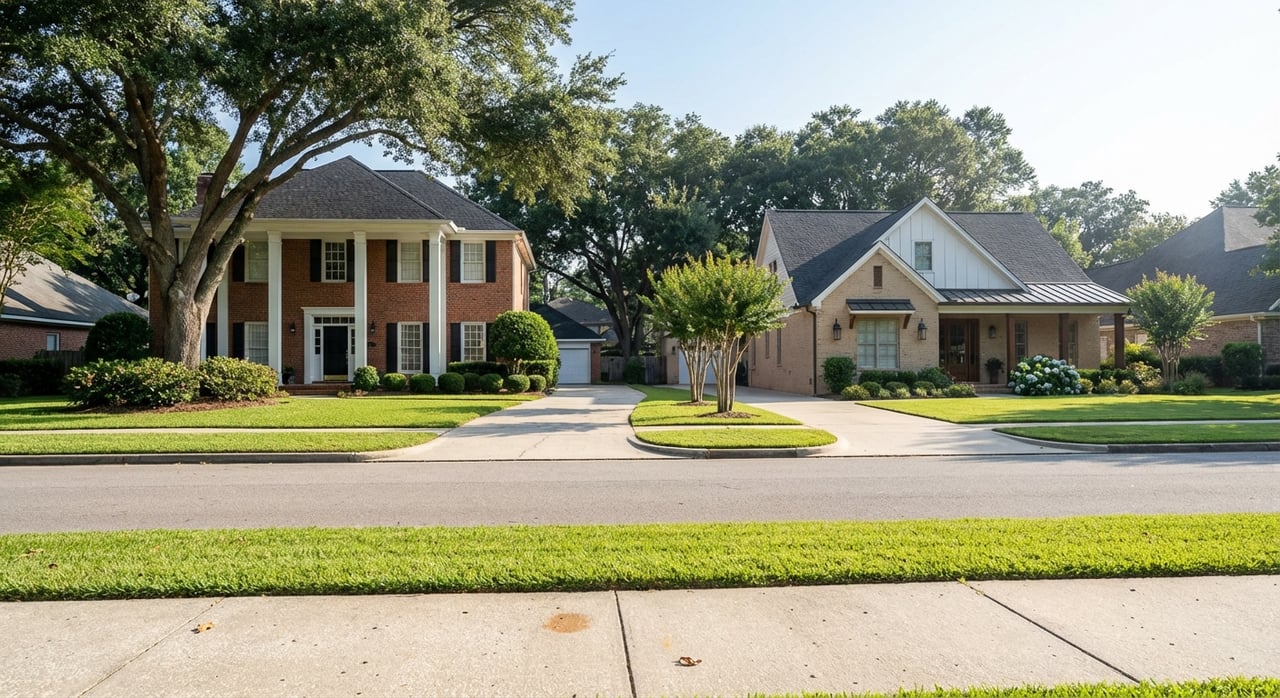
Each city offers a different housing rhythm. Madison leans toward master‑planned neighborhoods with private amenities and larger yards. Ridgeland blends established neighborhoods, reservoir‑area properties, and mixed‑use pockets near its retail and office corridor.
Madison: master‑planned and lake‑oriented options
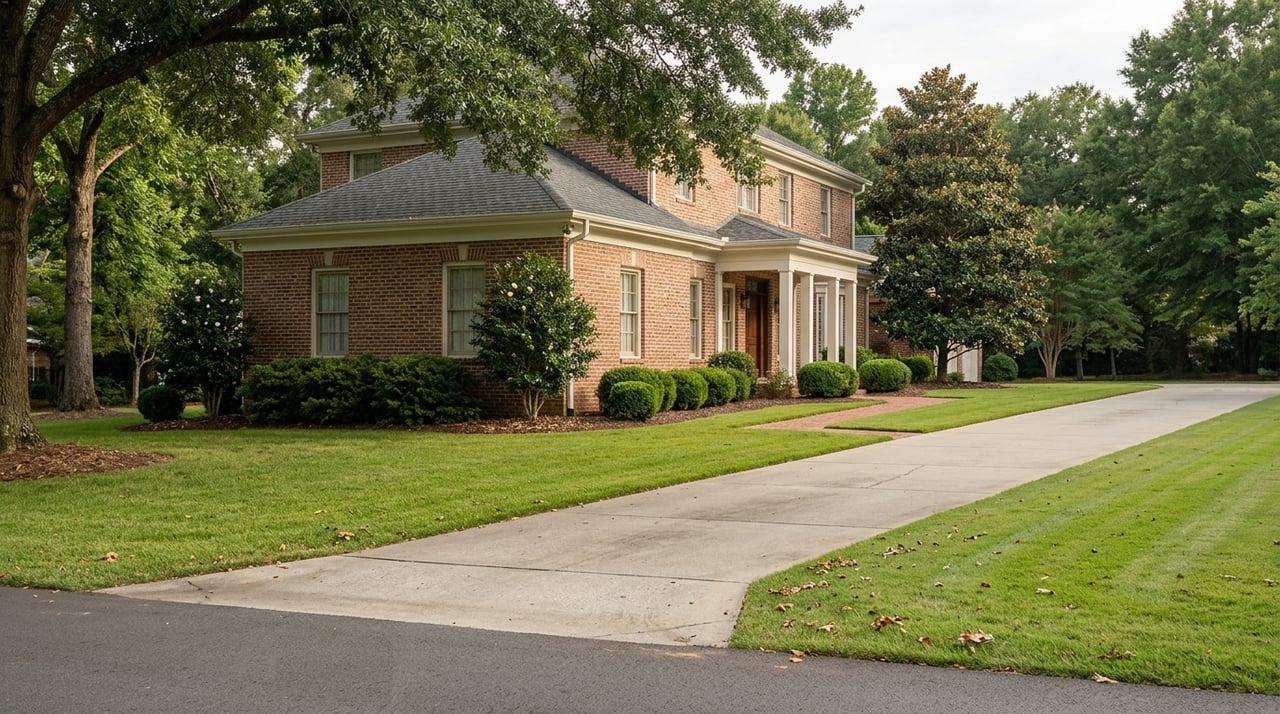
- Neighborhood character: Primarily single‑family homes in master‑planned communities with larger lots, neighborhood parks, and private amenities. Select areas include lakes, golf, pools, and clubhouses typical of higher‑end suburban subdivisions.
- Price frame: Aggregators are a guide, but they do not all measure the same thing. For example, Realtor.com recently reported a median listing price near about $485,000 for Madison (Dec 2025). Median sold prices from other sources can be lower because they track closed sales rather than active listings. The takeaway is to confirm with current MLS data for the most accurate neighborhood‑level snapshot.
- Who it fits: If you want a larger yard, private neighborhood amenities, and a classic suburban feel, Madison often checks those boxes.
Ridgeland: reservoir access and mixed‑use convenience
- Neighborhood character: A mix of established single‑family neighborhoods, some with larger lots near the Ross Barnett Reservoir, along with townhomes and condos in walkable, mixed‑use areas like the Township and Renaissance at Colony Park corridor.
- Price frame: Recent snapshots from major aggregators have shown Ridgeland medians in the mid $300Ks to mid $400Ks in recent reporting windows. Zillow’s home‑value index can differ due to methodology. Use the range for context and ask for current MLS data when you narrow to a specific neighborhood.
- Who it fits: If you prefer short drives to shopping and dining, low‑maintenance options, and access to waterfront parks and trails, Ridgeland is a strong match.
Why price numbers vary
When you compare cities, you will see different figures across sites. Some report median list price, others median sale price, and still others a home‑value index. Each uses a different time window and data set. That is why one number can look higher or lower than another. Treat third‑party snapshots as directional and ask your agent to pull current MLS data for the exact neighborhood and property type you want.
Amenities and everyday lifestyle
Both cities share big‑city convenience with a suburban pace, yet each has stand‑out experiences.
Ridgeland highlights
- Ross Barnett Reservoir and Old Trace Park: Waterfront access, boating, fishing, trails, and picnic space shape the Ridgeland lifestyle. Check facilities and park access on the Pearl River Water Supply District and city parks pages. Start with the Reservoir parks overview and Ridgeland’s parks and facilities list.
- Highland Colony and Colony Park: A hub for offices, dining, entertainment, and hotels. The area’s walkable retail and quick highway access draw professionals who want errands and lunch spots close by. Get a feel for the district at Colony Park.
- Northpark Mall and traditional shopping: For enclosed, regional shopping, browse the Northpark directory. It anchors the southern side of Ridgeland and complements the open‑air options at Renaissance.
Madison highlights
- Parks and green space: The city maintains a network that includes Simmons Arboretum, Liberty Park, and Madison Station Botanic Garden, along with neighborhood parks and trails. See the city’s parks and recreation page for facilities and programs.
- Neighborhood amenities: Many master‑planned communities offer on‑site features such as pools, lakes, clubhouses, and walking paths. That model brings recreation inside the neighborhood rather than concentrating it in a single mixed‑use center.
Which suburb fits your lifestyle?
Use these simple filters to guide your choice. You can be happy in either city, but one will likely fit your daily rhythm better.
- Choose Madison if you want larger private yards, master‑planned neighborhoods with on‑site amenities, and a traditional suburban feel. Newer move‑up homes and lake‑oriented communities are common, and many subdivisions include community programming.
- Choose Ridgeland if you value short drives to shopping and dining, options for townhomes or condos, and an easy connection to offices along Highland Colony. The reservoir and trail systems add a strong outdoor component to evenings and weekends.
Practical checks before you decide
Make a confident choice by running these quick due‑diligence steps.
- Confirm price data with MLS
- Third‑party medians can diverge because they measure different things. Ask for current MLS medians and recent comps for the specific neighborhoods on your list.
- Test commute routes
- Drive your top routes during peak and off‑peak times. Include a trial run to downtown Jackson, your office, and the airport. Even short distances can feel different once you test traffic patterns.
- Review HOA rules and fees
- Many master‑planned communities in Madison and select Ridgeland subdivisions have HOAs. Budget for dues and review covenants so you understand exterior guidelines, amenity access, and rental policies.
- Check waterfront and flood considerations
- If a reservoir‑area home is on your list, review flood maps and talk with your insurance pro about premiums and coverage. The Reservoir parks overview is a helpful orientation to where waterfront recreation and neighborhoods cluster.
- Watch local development and traffic plans
- Ridgeland’s Colony Park corridor continues to evolve, which can change traffic flows and future retail options. You can preview planning references like this city document hosted on Scribd.
- Estimate property taxes early
- Property tax is set by local taxing districts. Use the Madison County lookup as a starting point to estimate carrying costs for specific parcels. The state portal at DirtSearch links to county resources.
A simple side‑by‑side summary
- Location and access: Both sit along I‑55 with quick metro access. Ridgeland’s Highland Colony corridor concentrates offices and retail, while Madison’s amenities are more within neighborhoods.
- Housing: Madison leans single‑family in master‑planned communities with larger lots and lake or golf amenities. Ridgeland offers a mix of single‑family homes, reservoir‑area options, and low‑maintenance townhomes or condos near Colony Park.
- Price frame: Madison’s recent median list hovered near about $485,000 in one aggregator snapshot. Ridgeland’s recent medians often land in the mid $300Ks to mid $400Ks depending on the source and time window. Always verify with MLS.
- Lifestyle: Ridgeland emphasizes waterfront recreation and short drives to dining and shopping. Madison emphasizes neighborhood‑based amenities and private yard space.
Your next step
If you are weighing Madison against Ridgeland, local nuance will make the difference. We can help you compare active listings, HOA rules, commute patterns, and neighborhood amenities so your choice fits both your budget and your routine. Ready to see which suburb feels like home? Reach out to Godfrey Realty Group. Let’s talk about your next move.
FAQs
How close are Madison and Ridgeland for daily errands?
- The city centers are roughly 3 to 5 miles apart, which makes cross‑city errands, dining, and park trips convenient.
What are typical home prices in Madison vs Ridgeland?
- Recent aggregator snapshots show Madison’s median list near about $485,000, with Ridgeland often in the mid $300Ks to mid $400Ks. Numbers vary by method and date, so confirm with current MLS data.
What stands out about Ridgeland’s outdoor recreation?
- The Ross Barnett Reservoir and Old Trace Park offer boating, fishing, trails, and open green space that shape evenings and weekends for many residents.
Are HOAs common, and how do fees affect my budget?
- Many master‑planned neighborhoods in Madison and some subdivisions in Ridgeland have HOAs. Fees cover amenities and upkeep and should be added to your monthly housing budget.
What should I check before buying near the reservoir?
- Review flood maps, insurance options, and shoreline management rules. Ask your agent to coordinate any needed surveys or elevation certificates.
Is there a walkable shopping or dining area nearby?
- Ridgeland’s Colony Park and Township areas concentrate dining, retail, and offices, which many buyers prefer for shorter errand runs and lunch breaks.
How do I estimate property taxes for a specific home?
- Use the county’s parcel lookup to review assessed values and recent tax bills, then have your lender estimate monthly escrow based on the current millage rate.