New Construction vs Resale in Madison, MS: How to Choose
July 16, 2026
July 16, 2026
Wondering whether a brand-new home or an older street in Madison is the better fit for your next move? It is a smart question, especially in a city where both options can offer strong long-term value and a very different day-to-day feel. If you are trying to sort out maintenance, neighborhood character, HOA expectations, and what life may actually feel like after closing, this guide will help you compare the trade-offs with more confidence. Let’s dive in.
Madison is not a one-size-fits-all market. The city has an estimated 2025 population of 28,575, a 94.3% owner-occupied housing rate, a median owner-occupied home value of $352,900, and a median household income of $119,338. With a mean commute of 24.2 minutes and a strong owner-occupant base, many buyers here are choosing between two good options rather than trying to settle for one.
That matters because your decision is often less about whether one type of home is "better" and more about which trade-offs match your routine. In Madison, new construction often appeals to buyers who want a turnkey feel and newer systems. Established streets often appeal to buyers who want mature surroundings, architectural character, and a neighborhood with a longer track record.
If you like the idea of being the first owner, new construction can feel appealing right away. Madison requires permits for new residential buildings, and the city review process covers items such as setbacks, drainage, sidewalks, finished floor elevation, erosion control, and final landscaping before occupancy. The city also enforces the 2018 Family of International Building Codes and Fees for current construction review.
For many buyers, that means a new build may come with fewer immediate repair surprises than an older home. You may also have a builder warranty package, along with local inspections or final inspection documentation depending on the type of construction and financing. Even so, newer does not mean hands-off, and it is wise to review the warranty file carefully and pay close attention to lot drainage and any follow-up items.
Another thing to know is that a new home may not feel fully settled the day you move in. Madison’s permit checklist requires final landscaping, fencing, sidewalks, and related finish work before final inspection and a Certificate of Occupancy. Even with those requirements, the broader streetscape in a newer area can still feel like it is developing around you for a while after closing.
Before you commit to a new-construction purchase, make sure you understand the practical details:
These questions can help you compare builders and avoid assumptions about what “move-in ready” really means.
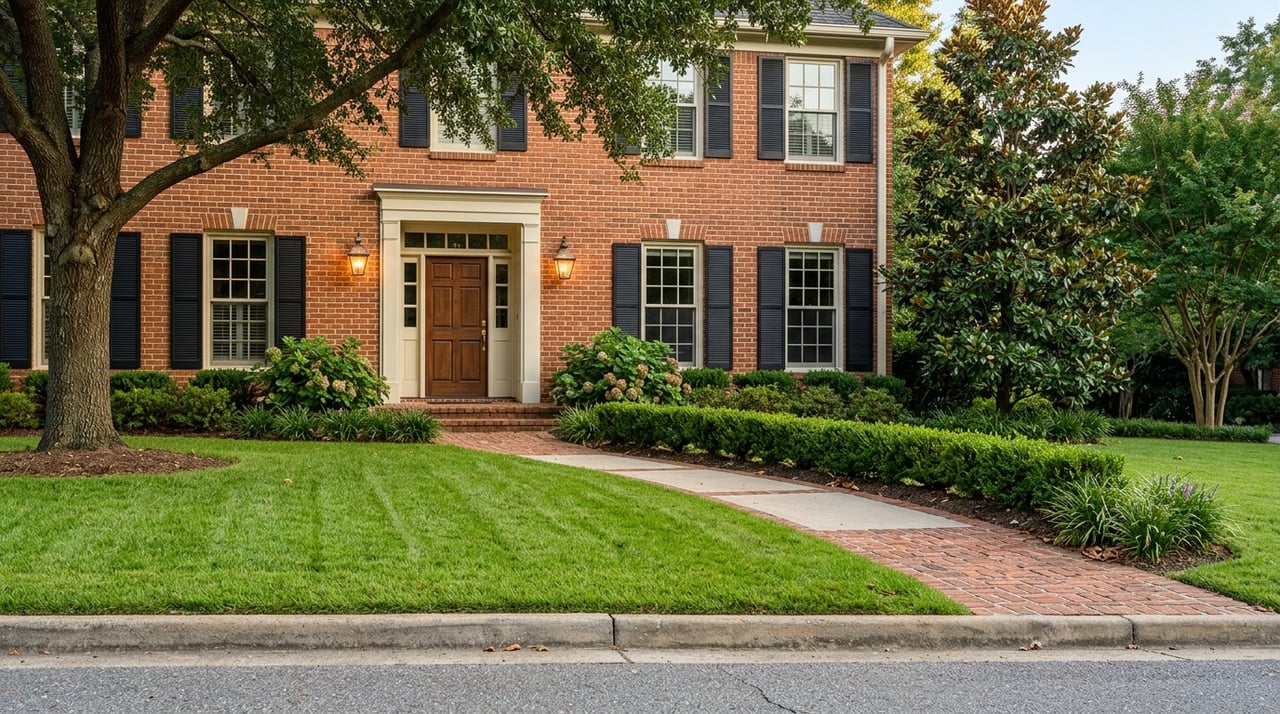
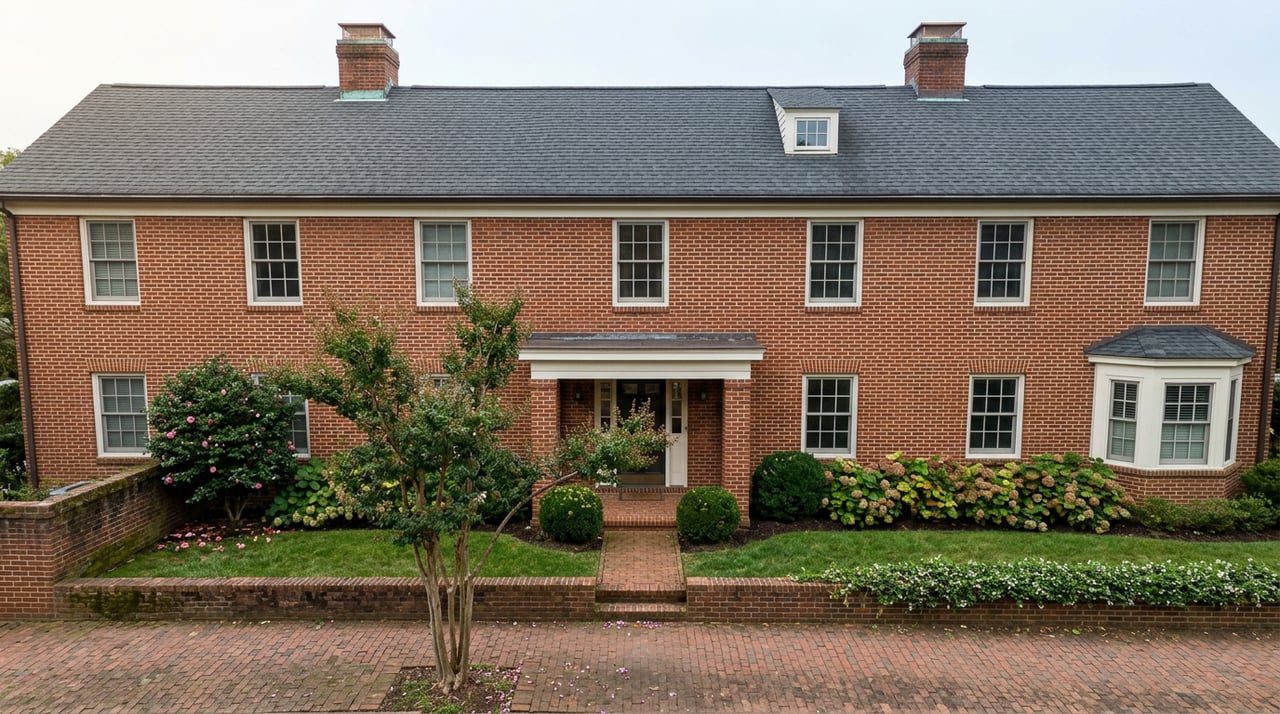
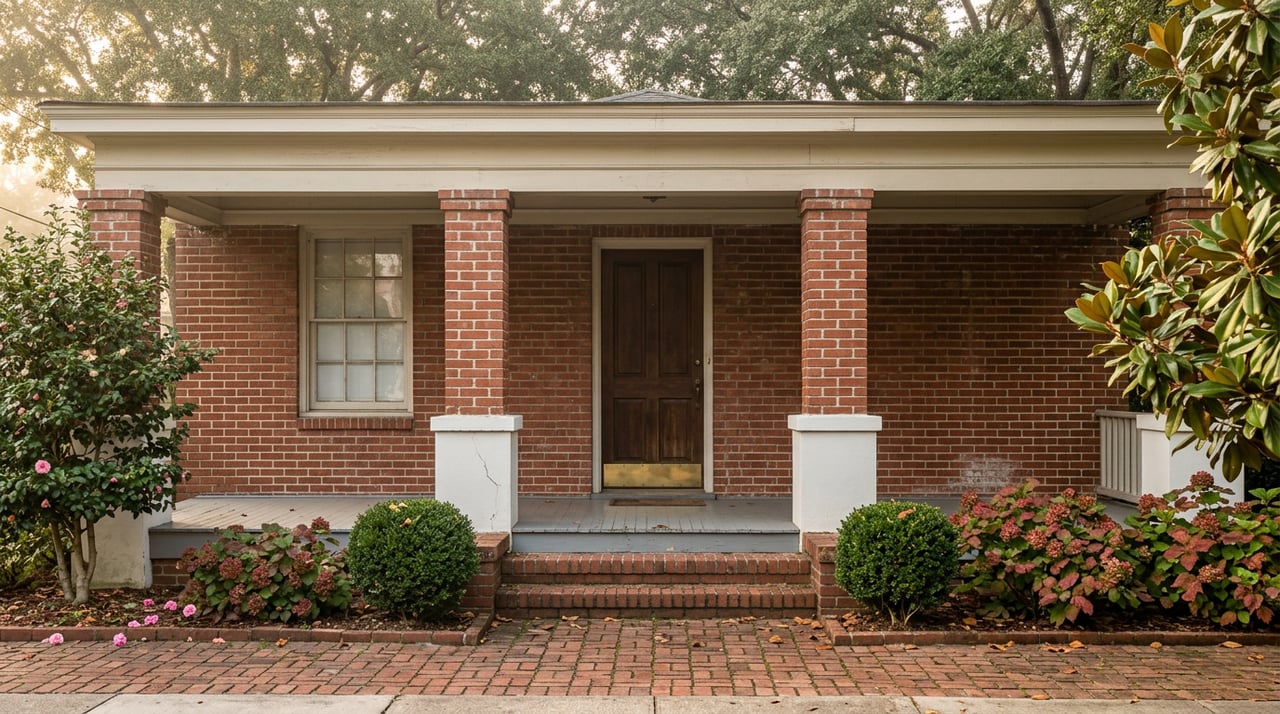
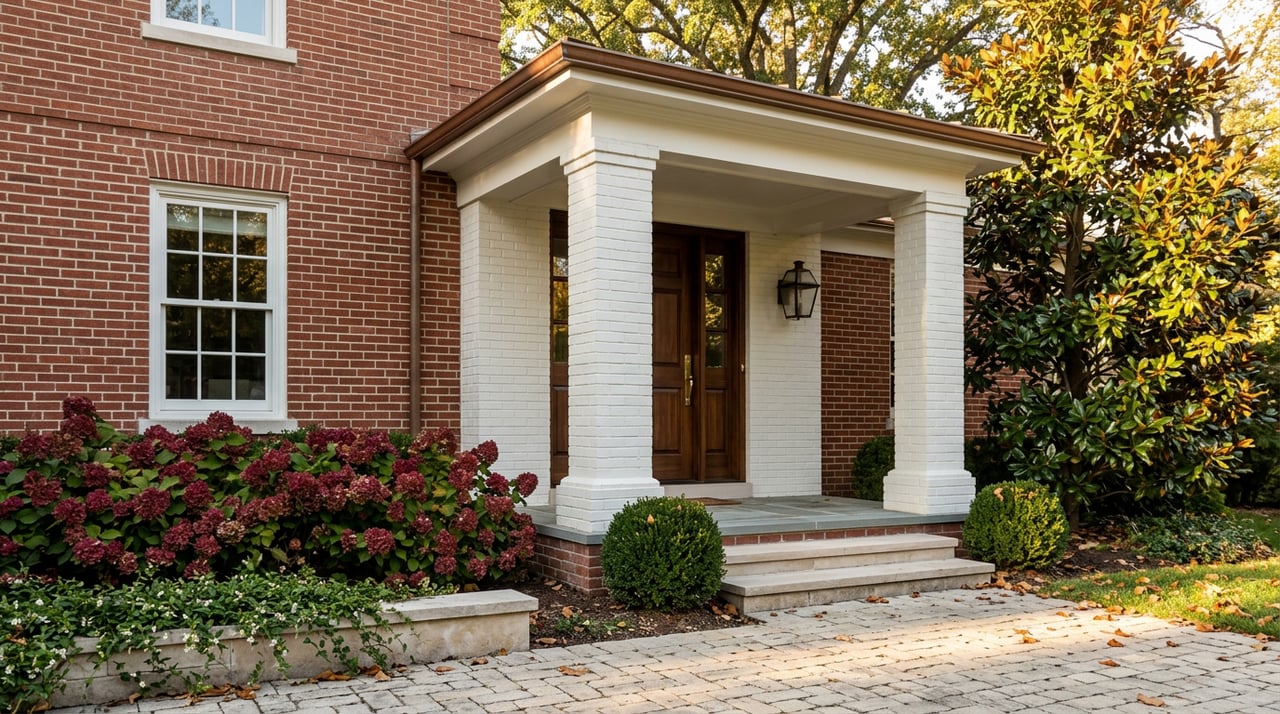
Established streets in Madison often bring a very different kind of appeal. The city has intentionally preserved parts of its older core, including the Old Madison Station District and historic areas tied to Main Street and Dorroh Street. As a result, older areas may offer more settled street patterns and more architectural character than a newly platted subdivision.
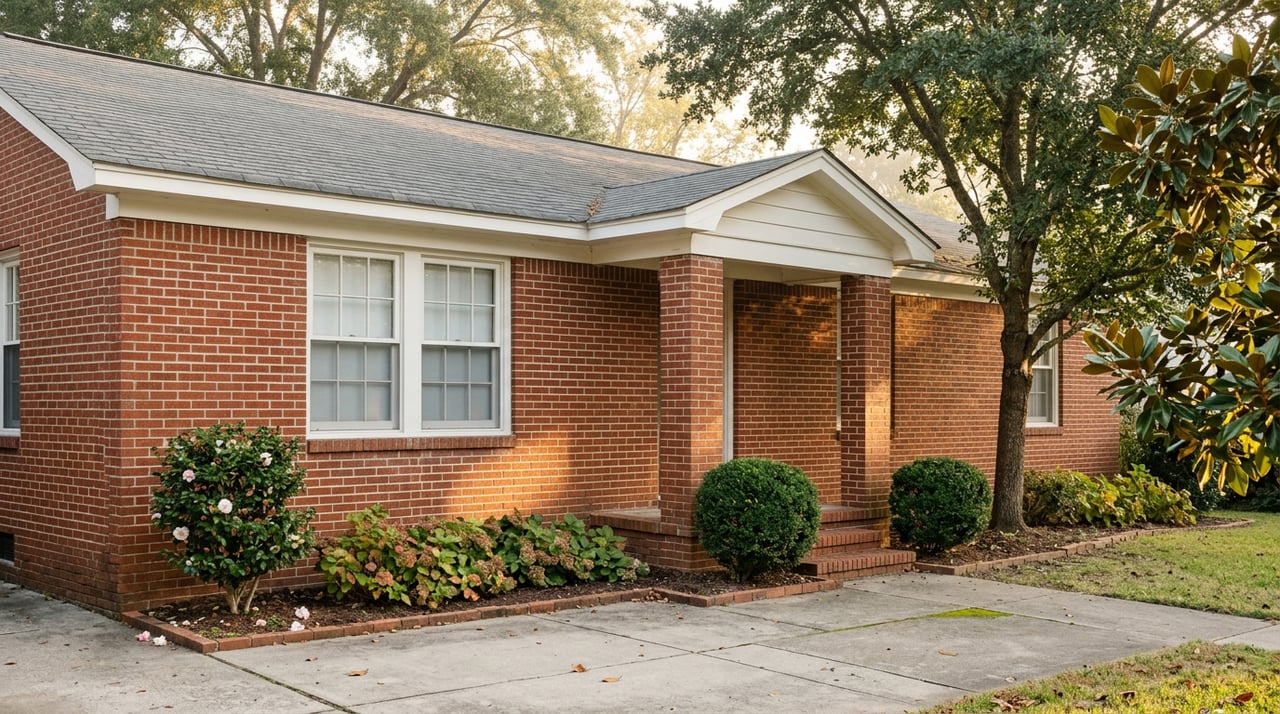
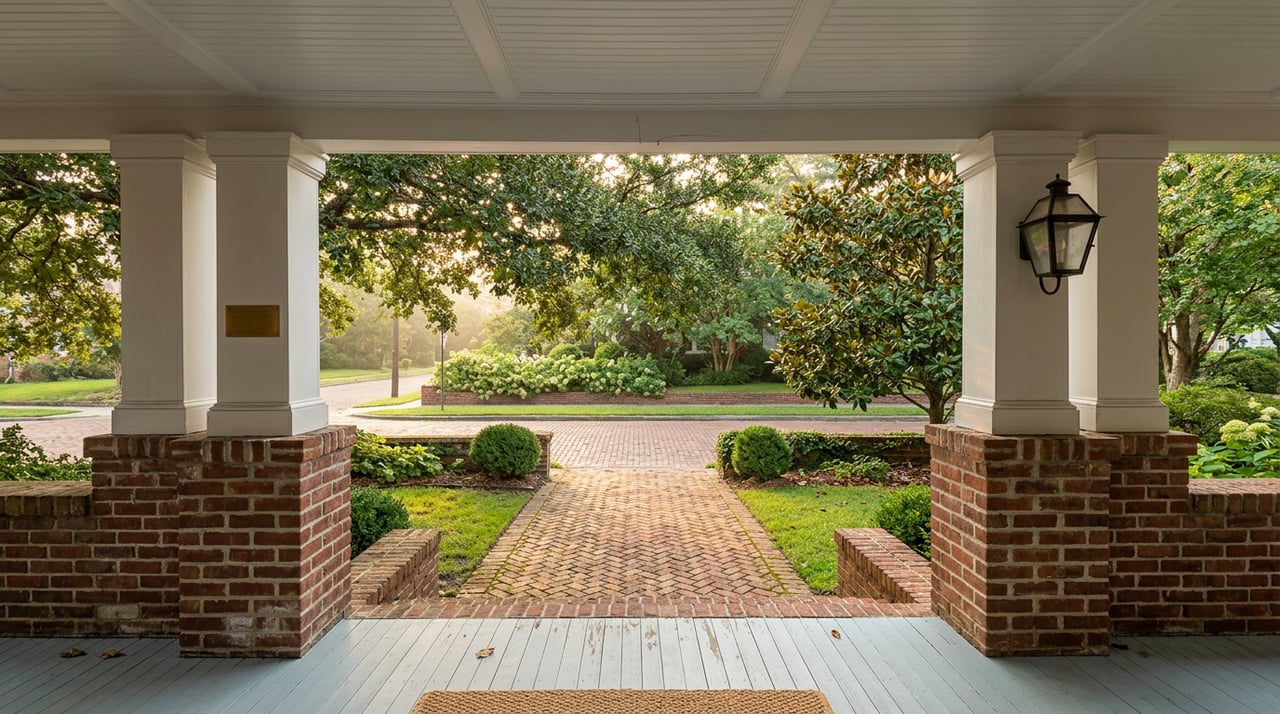
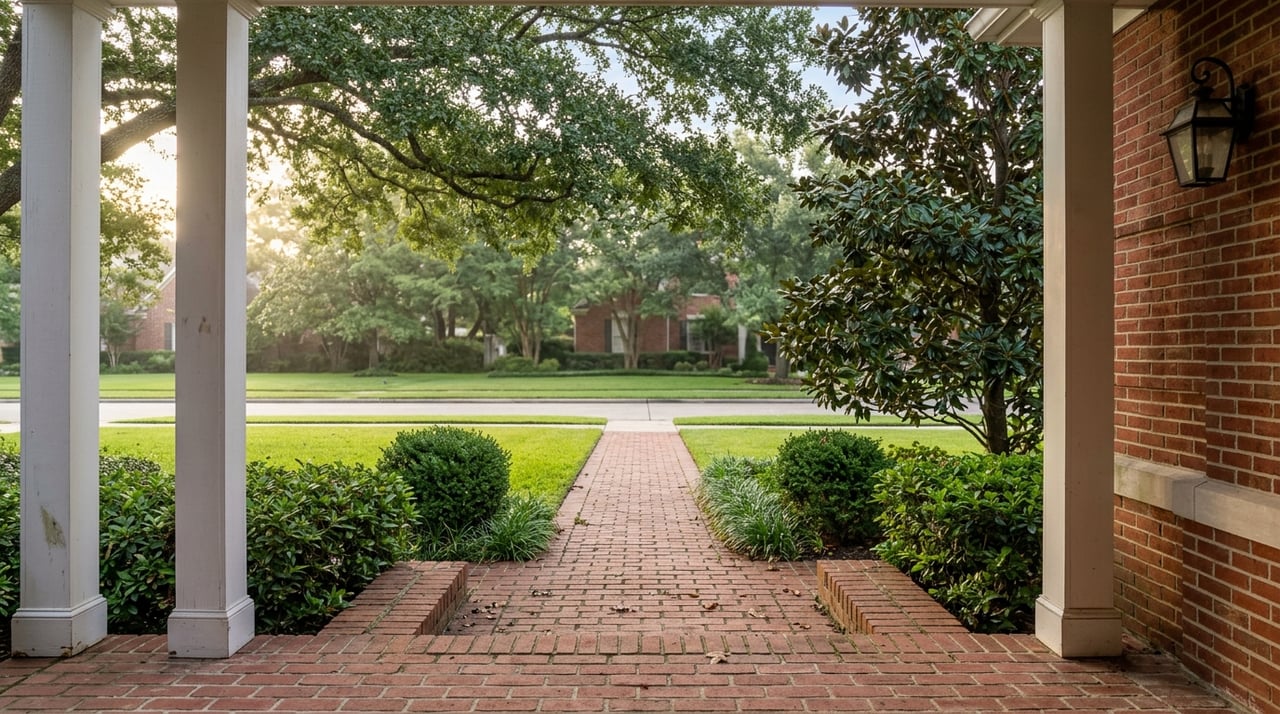
For some buyers, that lived-in feel is the main draw. Mature trees, shade, and a more established outdoor setting can change how a neighborhood feels every day. If you enjoy the idea of a home with more visual history and a streetscape that has had time to grow in, established areas may be worth a close look.
That said, older does not always mean fewer rules. Madison notes neighborhood homeowners associations through MONA, and some older districts may still have meaningful standards. In Old Madison Station, for example, the city reviews architectural style, materials, and colors to help preserve historic character.
An established home can offer charm, but it can also come with more questions about past upkeep. Madison enforces the International Property Maintenance Code through its code enforcement function for existing structures and premises, which makes it especially important to evaluate condition carefully.
When you tour an older property, pay close attention to:
An older home may still be the right choice, but it usually rewards buyers who are comfortable planning ahead for maintenance.
It is easy to focus on square footage, finishes, or asking price. In Madison, though, the better question is often how each option fits your daily life.
A new build may suit you if you want a more predictable first few years of ownership, newer systems, and a warranty buffer. An established street may suit you better if you care more about mature landscaping, a settled look, and the feel of a neighborhood that has evolved over time.
Here is a simple side-by-side view:
| Factor | New Builds | Established Streets |
|---|---|---|
| Overall feel | Fresh, newer, developing | Settled, mature, lived-in |
| Construction review | Built under current local review and code standards | Condition depends more on upkeep and updates |
| Yard and trees | New grading and fresh landscaping | More likely to have mature trees and shade |
| Maintenance outlook | Fewer immediate surprises is common, but follow-up may still be needed | More character, but more upkeep risk |
| Rules and approvals | HOA covenants and builder processes may be common | Some areas may still have HOA or district standards |
| Neighborhood rhythm | May continue developing after you move in | Often has a longer neighborhood track record |
One of the biggest misconceptions in any suburban market is that newer automatically means easier. In Madison, new subdivision projects can involve private covenants and HOA approval. That means you should ask about dues, architectural guidelines, exterior rules, and any amenity or common-area obligations before deciding a home will be low-maintenance.
Established streets can vary too. Some may feel more flexible, while others may still be shaped by neighborhood associations or design standards. The key is to read the rules early so you understand what ownership will really look like.
This factor often gets overlooked until buyers start driving neighborhoods in person. On an established street, the trees, shade, and landscape usually feel more complete. That can make the area feel calmer and more rooted from day one.
In newer construction, the lot is often freshly graded and still taking shape. Since Madison’s permit process specifically addresses drainage, grading, and final landscaping, those items are important not just for looks, but also for how the property functions. If the outdoor feel matters to you, this may end up being one of the biggest decision points.
Your home choice is also tied to how you use the city. Madison’s shopping and dining options are spread across Main Street, Highway 51, Grandview Boulevard, and Highland Colony Parkway. The city also highlights Madison at Main, a 17-acre mixed-use project planned to bring city functions, restaurants, boutiques, and condos into the core.
Parks and gardens are another meaningful part of the local lifestyle. Madison features places such as Strawberry Patch Park, Liberty Park, Simmons Arboretum, and the Madison Station Botanic Garden. Depending on where you buy, an established area may feel especially convenient to parts of that everyday Madison experience.
If school assignment is part of your move, verify it carefully. Madison County Schools states that students enroll at the school they are assigned to attend based on legal residence, and the district serves more than 13,000 students. That means a neighborhood name alone is not enough to confirm a school assignment.
Before you make a final decision, check the exact property address against the district’s attendance zone information. That extra step can help you avoid confusion and make your decision with better information.
If you are torn between a new build and an established street, try narrowing your decision around the trade-offs you will feel every week, not just on closing day. Ask yourself whether you care more about a newer systems package and warranty support or a mature setting and longer neighborhood history. Think about how much uncertainty around future repairs you are comfortable with.
It also helps to think in terms of ownership style. If you want a more turnkey start, new construction may align better. If you value character and do not mind evaluating condition more closely, an established street may be the stronger fit.
A smart plan is to compare both types of homes in person before deciding. When you walk them with the same priorities in mind, the right answer often becomes much clearer.
If you want help weighing Madison neighborhoods, builder options, and resale opportunities with a local perspective, Godfrey Realty Group is here to help you make your next move with clarity.
Stay up to date on the latest real estate trends.
We pride ourselves in providing personalized solutions that bring our clients closer to their dream properties and enhance their long-term wealth. Contact us today to find out how we can be of assistance to you!